

Moving from stating a principle to building a system is the real test of whether a company can execute. Choosing the direction was the easy part. The harder task was turning it into a path the organisation could follow, and ultimately into value customers could feel. That drove a thorough change led by management, centred on an operating system that carries the strategy through the whole company.
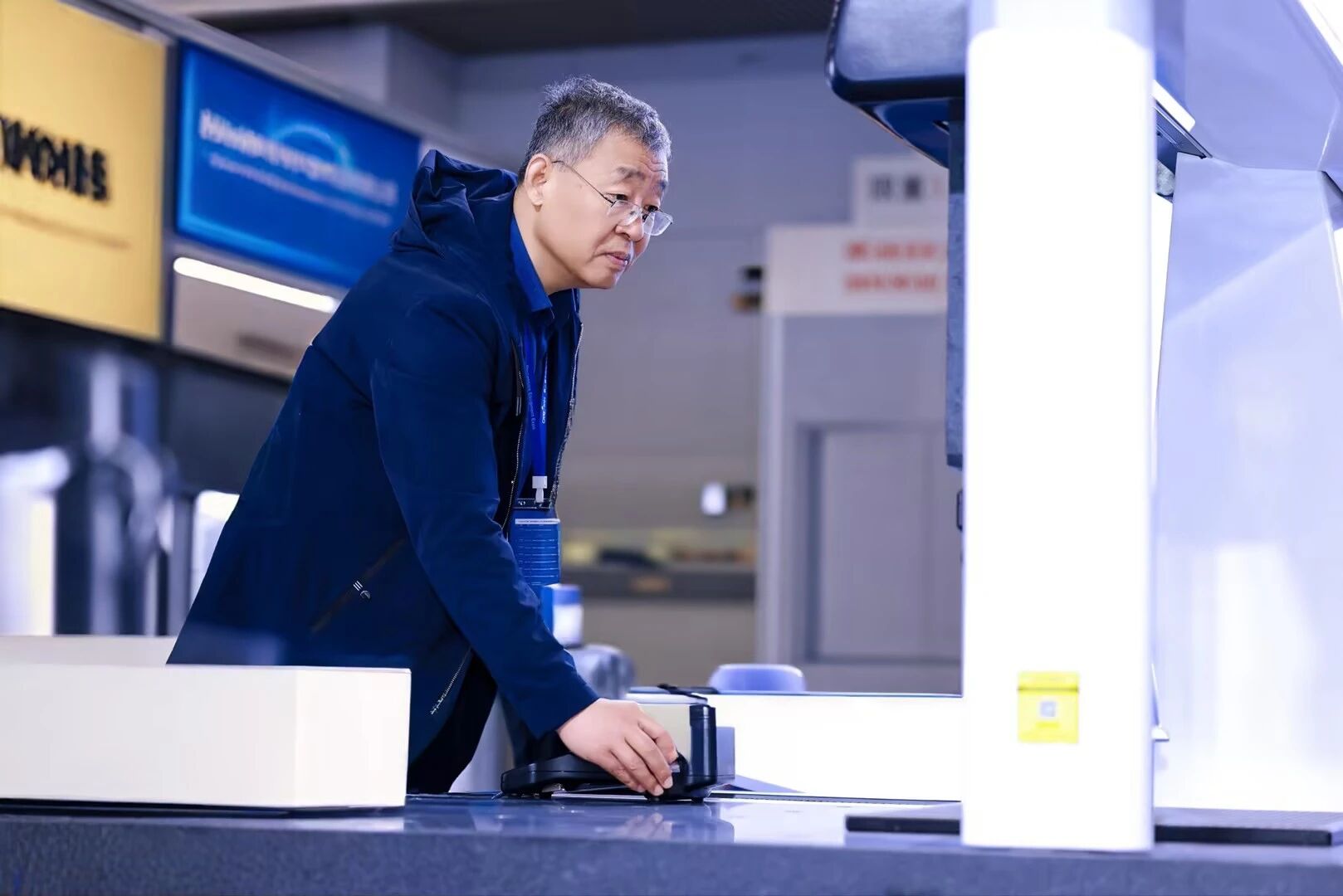
The change began with management reaching genuine agreement on what the strategy means. Being an enabler is not an abstraction; it was made concrete as a set of principles guiding everyday decisions. Any new product plan, investment or service initiative has to answer one question: does this genuinely strengthen our ability to solve customers' problems, and does it deepen the partnership between us? That agreement turned customer focus from a cultural aspiration into a rule that holds. It requires development to look past the accuracy limits achievable in a laboratory and out to the real variation and real anxiety on a customer's shop floor. It moves sales from closing orders toward planning a long-term quality data asset with the customer. The shared strategic grammar management settled on keeps the entire chain, from innovation through delivery, working toward the same goal: becoming a partner customers can rely on for the long term.
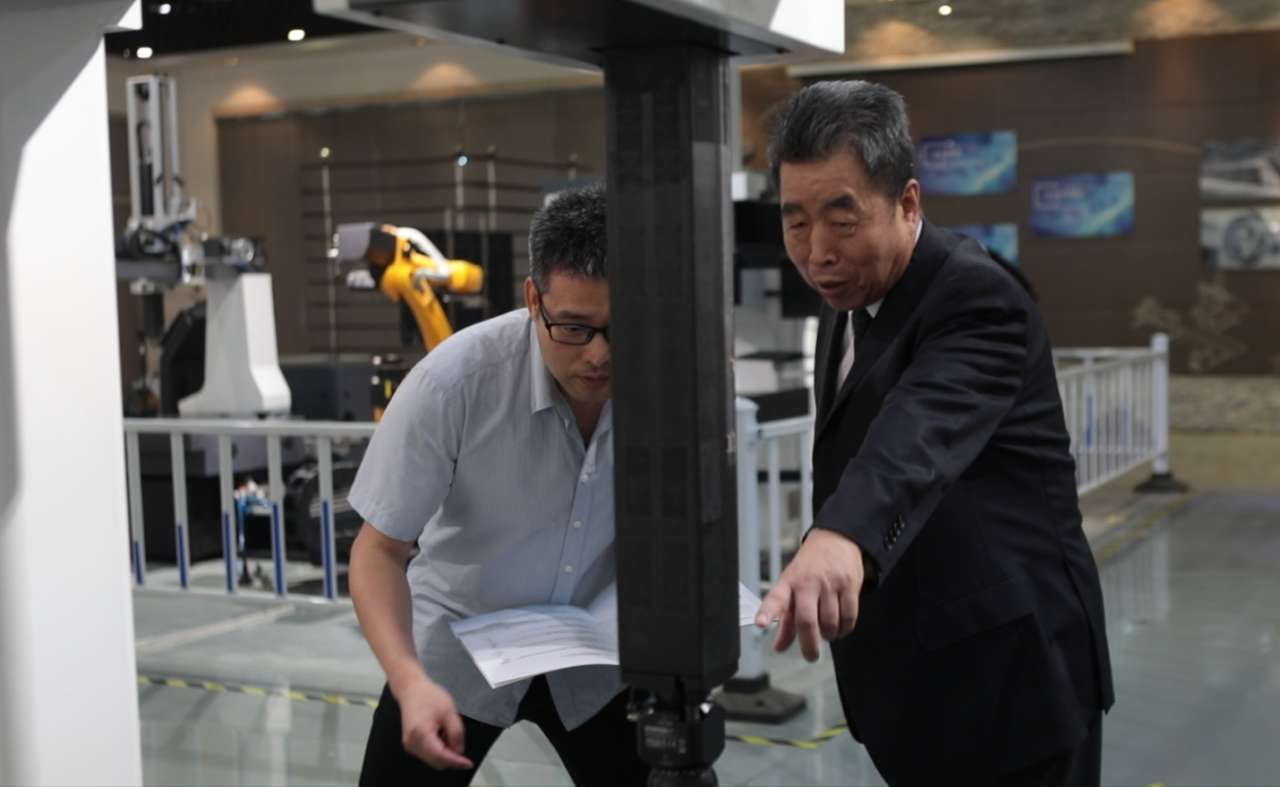
Shared understanding only takes root in suitable ground. Management therefore restructured how resources are allocated internally and how teams work together. Budget and talent are no longer distributed simply on short-term return, but directed systematically toward work that builds customers' long-term capability and produces reusable industry solutions. At the same time, departmental boundaries were deliberately broken down: around priority sectors such as aerospace and semiconductors, value delivery units were formed spanning engineering, sales and service. Their goal is not to sell an individual instrument but to deliver a complete solution whose effectiveness can be verified and measured. Restructuring this way ensures enablement is not the isolated work of one function, but the natural result of the whole organisation working together around customer value.
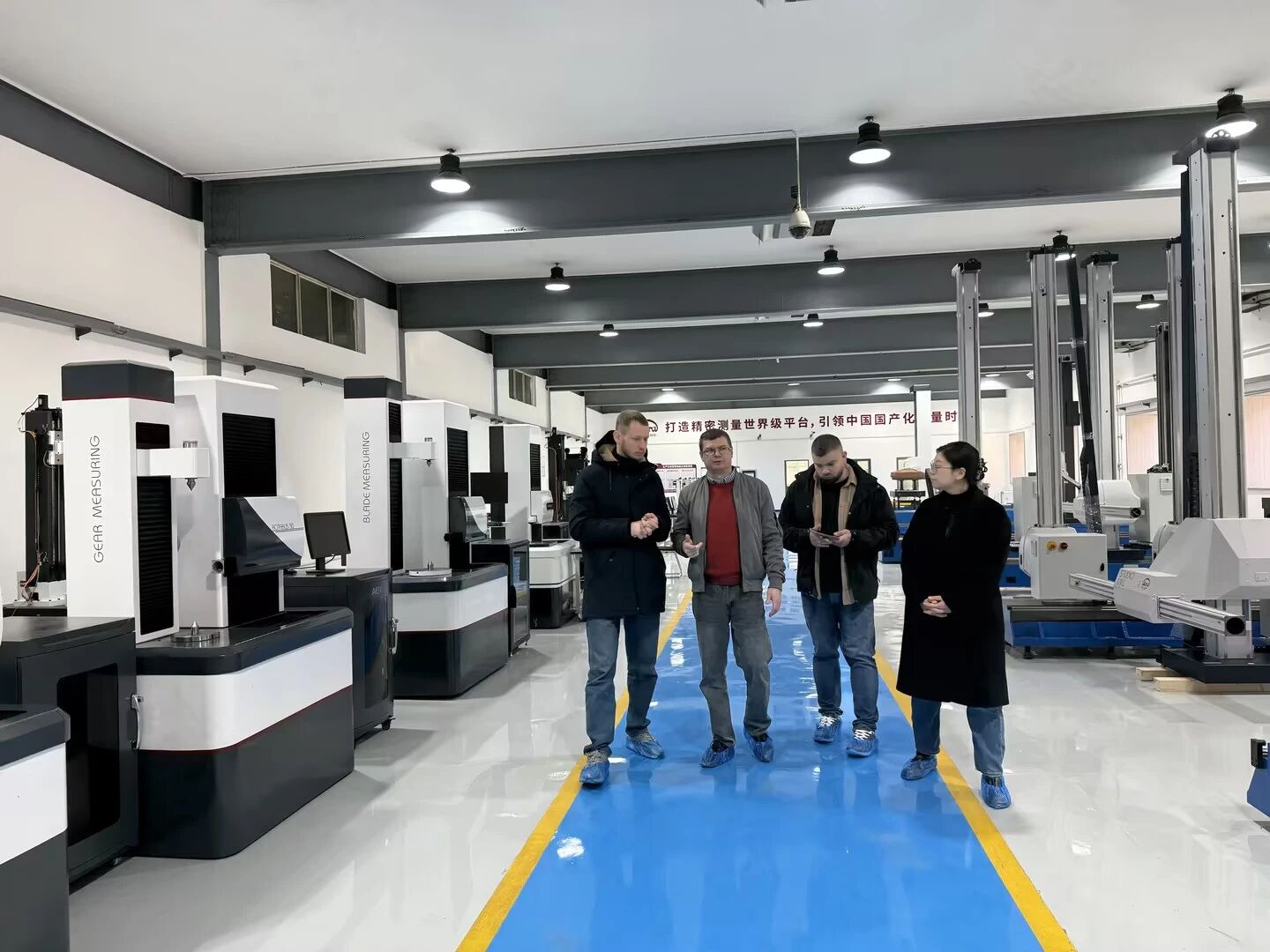
Action is only sustainable when it can be measured. Management recognised that a vision of enablement and shared success had to be translated into standards of behaviour that teams and individuals could understand, act on and be rewarded for. The performance management system was therefore rebuilt. Engineering teams are now assessed partly on how much process knowledge they capture for customers and how often solutions are reused; service engineers are assessed more on preventing potential quality risks and on the suggestions they make for getting value from data. Through these measures, management sent a clear signal: excellent work is not only resolving problems that have appeared, but anticipating and removing the difficulties a customer might face. This amounts to a quiet cultural shift, using system design to make active learning, cross-disciplinary collaboration and creating additional value for customers the recognised and rewarded norm.
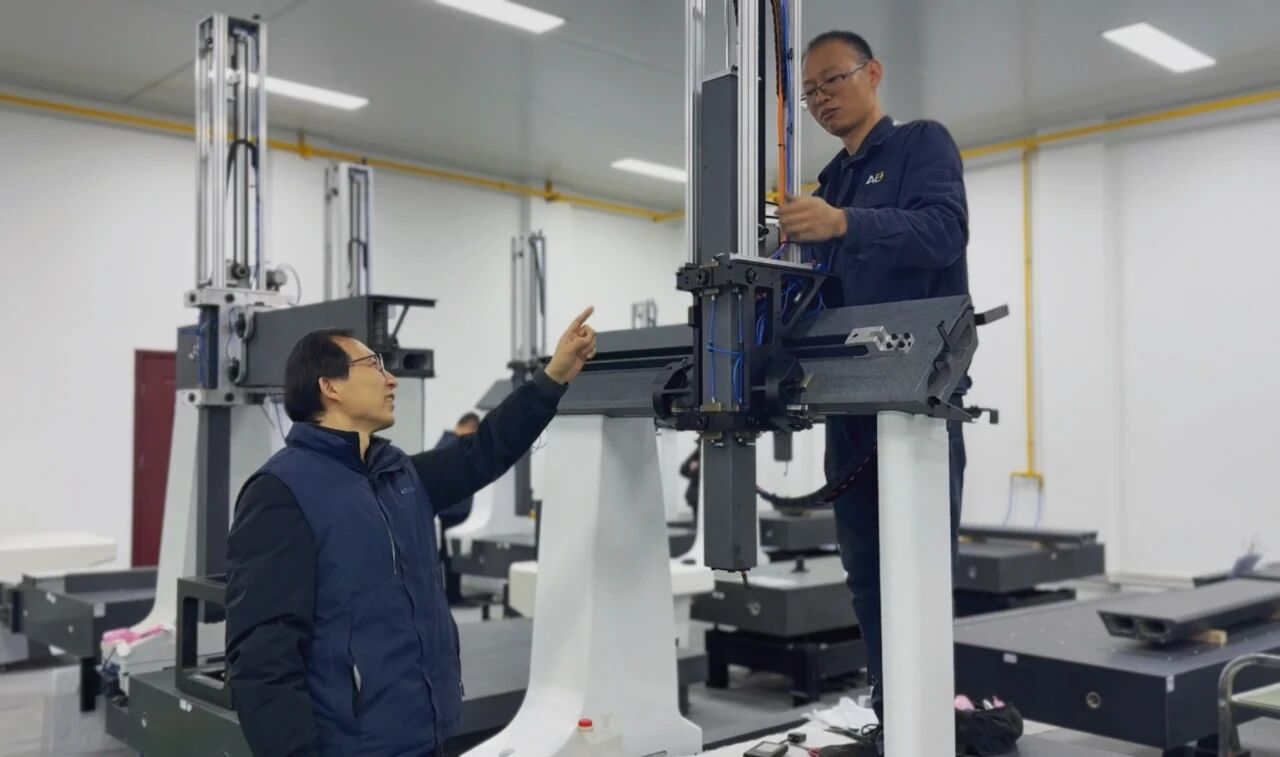
This evolution from principle to system rests finally on management's commitment to act. That means the long-term resolve to put strategic investment ahead of short-term profit pressure; the practice of going to key customer sites and listening to frontline staff in order to correct the organisation's course; and the discipline, whenever long-term value and short-term temptation conflict, of staying alongside the customer. Competition in advanced manufacturing is moving from contests between individual technologies or products to contests between whole system capabilities. The framework AEH's management has built and now practises, covering shared understanding, systems and behaviour, is what allows the company to compete at that level. It marks the point at which the company moved past announcing a strategy and into the work of embedding the role of enabler into every operational detail through disciplined management practice. This is a road without an end point, and each step makes what we and our partners can reach together clearer and more solid.