

One question keeps returning in manufacturing: what is the real competitive strength beyond today's specifications? Looking back at our own history, we found one asset of unusual value. Not any single instrument, but 28 years of precision measurement data spanning countless industries and applications. That quiet body of data is how we answer what comes next.
1. Data as a geological map of how industry moves
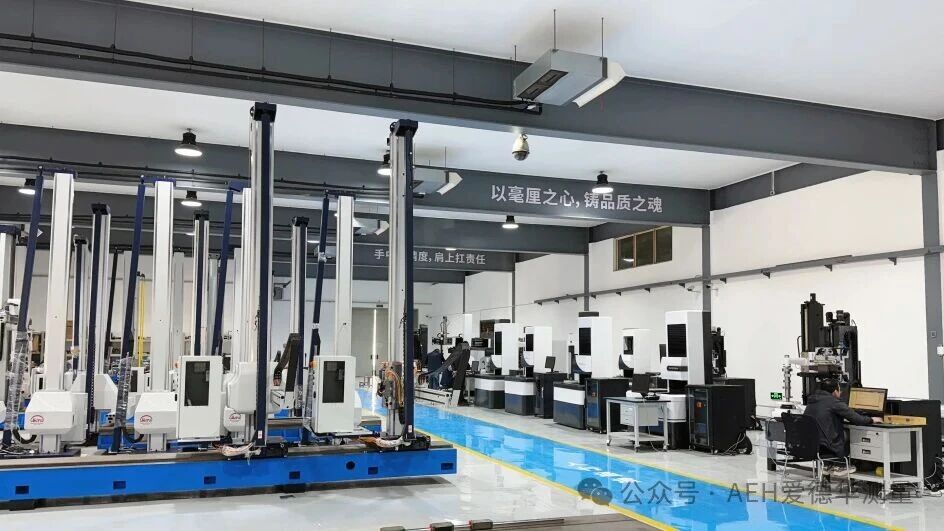
Real insight comes first. AEH's measurement data is not a cold archive of numbers but a continuing record of how advanced manufacturing has developed. Anonymise, aggregate and analyse large volumes of it from aerospace, electric vehicles and precision electronics, and a clear map of shared industrial patterns emerges.
We can see how the dimensional stability of a new material behaves in the early stages of volume production; trace the subtle decay in part accuracy across a cutting tool's life; and identify which factors are the common culprits behind quality variation at particular process steps. Insight into trends across long periods and wide fields means we are no longer confined to solving one point of difficulty on one customer's floor, but can anticipate challenges across a whole class of work. That moves us from a measurement supplier reacting to requests toward a partner offering early warning and systematic improvement. Data gives us, first of all, the perspective to see the pattern and understand the whole.
2. Feeding development: equipment that understands its setting
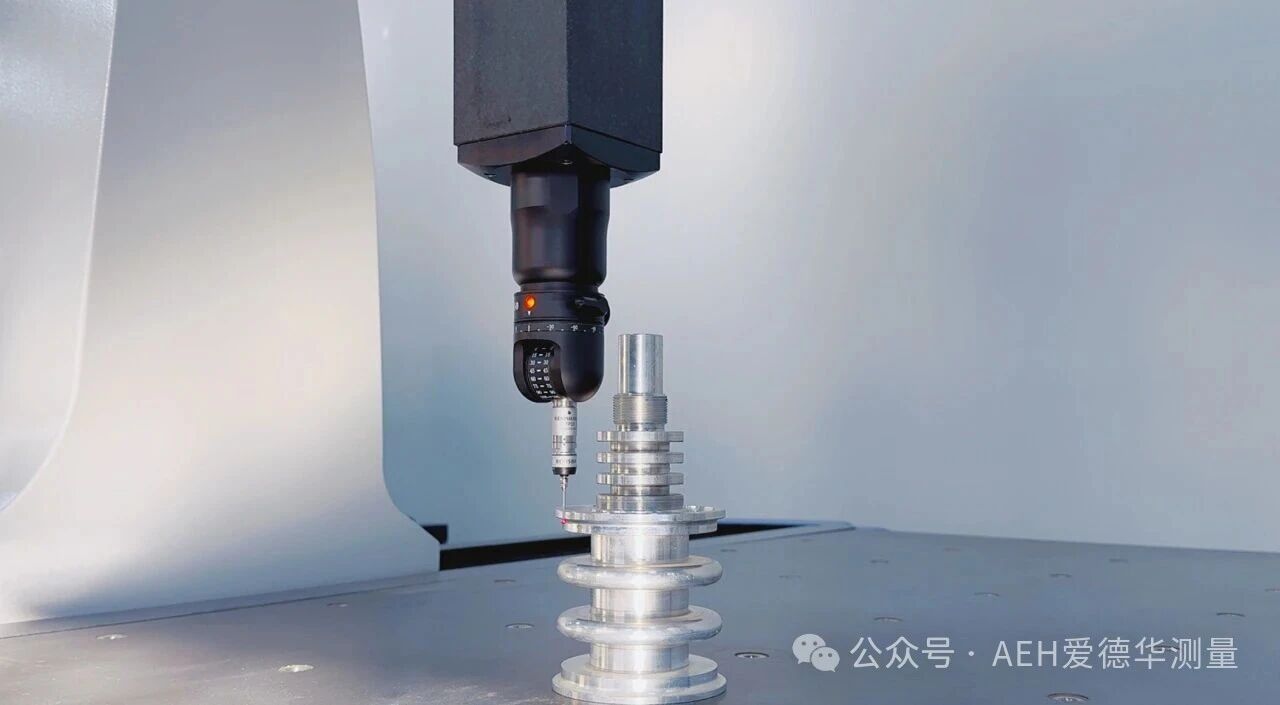
The second way data creates value is by flowing back into product development. Real production conditions are varied and demanding, which sets a high bar for how adaptable and robust equipment must be. So our development work stays tied closely to data from the field.
Vibration, thermal drift and material behaviour captured in real conditions let us keep refining the compensation models in our algorithms, so equipment holds accuracy in harsher environments. We study which operations customers perform most often and which problems they find hardest, then rebuild the interface around what we learn. In effect we train our products on 28 years of evidence about how manufacturing actually works, so every machine ships understanding the conditions it will meet. Our technology has moved from chasing limit specifications in a laboratory to delivering the best result on a working line.
3. Enabling customers: turning data into process knowledge they can act on
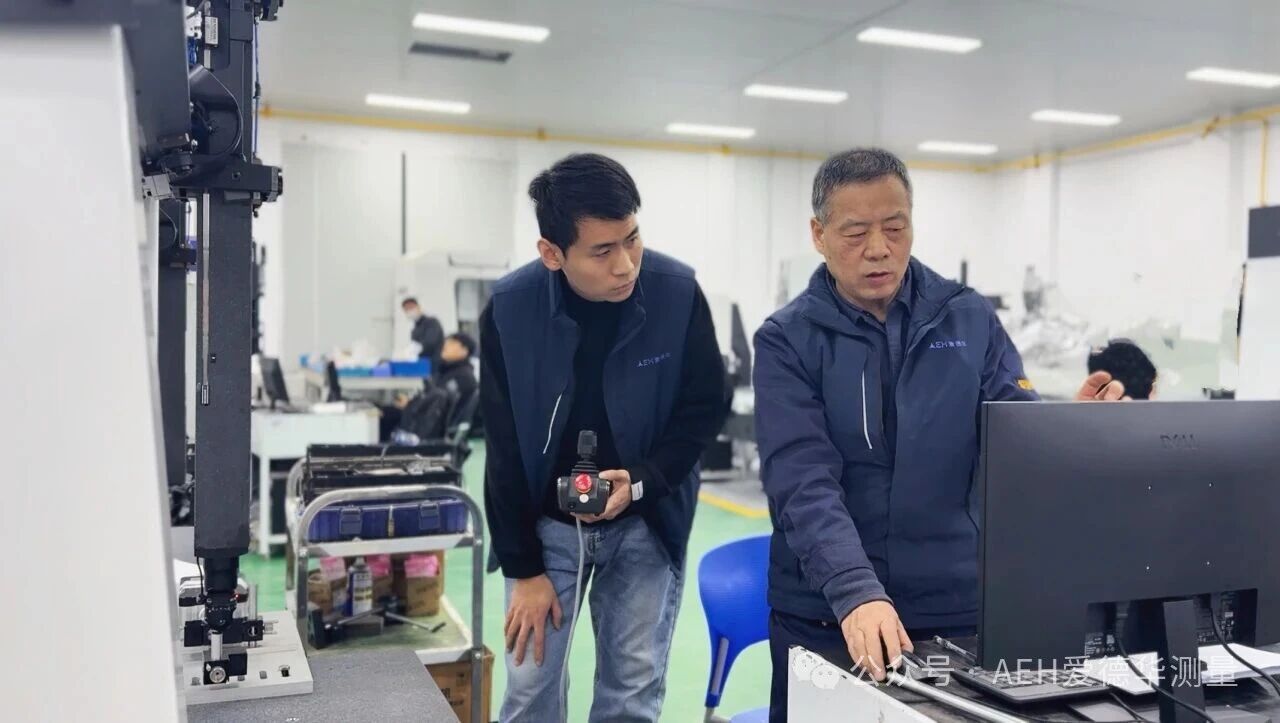
Data's ultimate purpose is to become knowledge and decisions that act on production, and this is where our role as an enabler really lands. We are working to turn data into more capable tools: building process knowledge graphs that link particular measurement results to the process parameters that may have caused them — cutting speed, feed rate, fixturing — so engineers get root cause analysis and tuning suggestions; and developing digital twin models that let customers predict and improve how measurable a new product is before it goes into production.
What the customer receives, then, is not simply a report saying pass or fail, but a process diagnosis pointing to what to improve. We see ourselves as the data nerve centre within a customer's manufacturing knowledge, helping them capture experience, make it permanent, and raise the certainty of the process itself.
The shift is a deepening of the value chain: from providing measurement data, to providing insight from it, to providing decision support based on that insight. Twenty-eight years of data is what makes that possible - and why we can say our understanding of manufacturing runs deep, and ends in results customers can count.